

01
Check the Tooth
The exam confirms the groove is healthy and sealable — sealants go over sound enamel, never over a problem.
The 60-second shield for cavity-prone back teeth.
Dental sealants are thin protective coatings painted into the grooves of back teeth, where most childhood cavities get their start. Dr. Jason Brock and our team place sealants for kids in Clear Lake — no numbing, no drilling, and your child can eat right after.
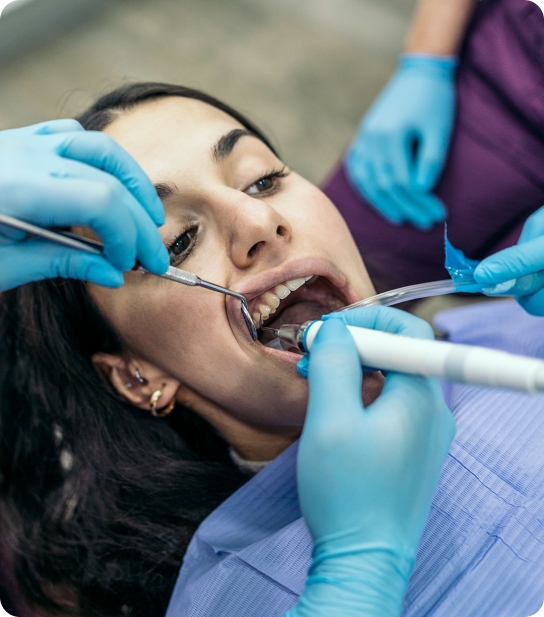
Run your tongue over a molar and you'll feel the terrain: ridges, pits, and deep grooves (dentists call them pits and fissures). They're great for chewing and terrible for cleaning — the deepest grooves are literally narrower than a toothbrush bristle, so food and plaque settle in where brushing can't follow. That's why the chewing surfaces of back teeth are where most childhood cavities begin.
A sealant solves the geography problem. A thin, tooth-colored resin flows into those grooves and hardens into a smooth surface — nothing for plaque to grip, nowhere for food to hide, and a physical barrier between bacteria and the enamel underneath.

Sealants at our office are recommended tooth by tooth by Dr. Jason Brock, DDS — Diplomate, American Board of Pediatric Dentistry — after the exam confirms each groove is healthy and worth sealing. You'll hear which teeth, and why, before anything is painted on.
The classic candidates are newly erupted permanent molars — freshly arrived, deeply grooved, and at their most vulnerable in the first years after they come in. Kids with a cavity history, deep groove patterns, or braces-era brushing struggles get the most protection from sealing. For some high-risk kids, deeply grooved baby molars are worth sealing too.
Sealants aren't for every tooth, though. Shallow, easy-clean grooves may not need one, and a tooth that already has a cavity needs treatment, not a coat of resin over the problem. The exam sorts sealable from not — and we'll only recommend the teeth that genuinely earn it.


Here's the honest scope. Sealants protect the chewing surfaces — the groovy tops of the teeth — and they do that job very well. What they don't cover is everything else: the smooth sides, the tight spots between teeth, and the gumline are all still on your child's toothbrush and floss. A sealed molar can still get a cavity between the teeth, which is why sealants join the routine instead of replacing it.
They also wear with years of chewing, which is normal and manageable — we check every sealant at every visit (sealant evaluation is a standing part of the exam) and touch up or reseal a spot the moment it needs it.
Fair question — and for most kids with newly erupted permanent molars, the honest answer is yes, they're genuinely worth it. The chewing surfaces of first molars are the single most cavity-prone real estate in a child's mouth, and CDC data shows school-age children without sealants get almost three times more first-molar cavities than children with them. Many dental plans also cover sealants as preventive care, though plan rules vary. The math helps too: a sealant costs a fraction of what treating a cavity does, takes minutes, and involves no numbing. Where we won't stretch it: if your child's grooves are shallow and their risk is low, we'll tell you that plainly instead of sealing teeth that don't need it.
Sealants follow the molars, and the molars arrive in two waves. The first permanent molars show up around ages 5 to 7 — sneaking in behind the last baby teeth, so many parents never notice them — and the second wave lands around 11 to 13. The best time to seal is soon after a molar erupts, while its grooves are pristine and before decay gets a foothold. High-risk kids sometimes get deeply grooved baby molars sealed earlier, case by case. If your child is in either window, it's worth a conversation at the next visit.
These two aren't rivals — they cover each other's blind spots.
| Fluoride Varnish | Dental Sealants |
|---|---|
| Strengthens the enamel of every tooth surface | A physical barrier over the grooves of back teeth |
| Chemical protection, reapplied periodically | Applied once, then monitored for years |
| Works everywhere, including between teeth | Protects the one spot brushing and fluoride reach least |
| How fluoride works | Applied tooth by tooth, where grooves earn it |
Most kids benefit from both — fluoride for the whole mouth, sealants for the trouble spots. Your child's cavity risk decides the mix, and we'll lay it out plainly.
Most kids benefit from both — fluoride for the whole mouth, sealants for the trouble spots. Your child's cavity risk decides the mix, and we'll lay it out plainly.
First permanent molars arrive quietly behind the baby teeth around ages 5 to 7, and their most vulnerable years start the day they erupt. If your child is in that window — or the second one, around 11 to 13 — the timing for sealants is now, not eventually. Ask at the next checkup, or book one today.
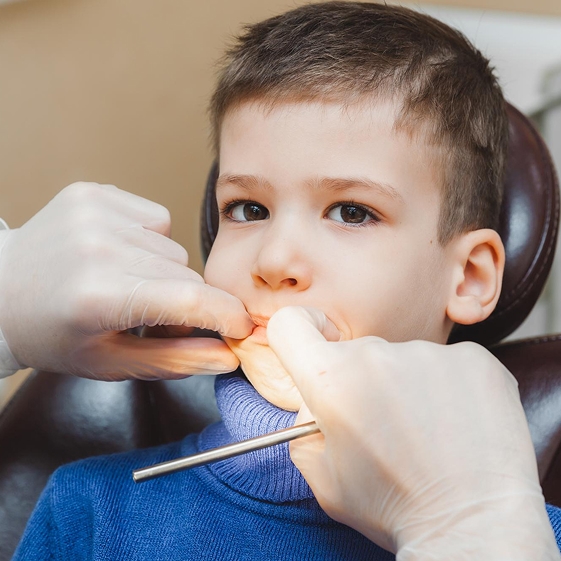
01
Check the Tooth
The exam confirms the groove is healthy and sealable — sealants go over sound enamel, never over a problem.
02
Clean and Prep
The tooth is cleaned and dried, prepped for a moment with a sour-tasting gel, then rinsed — the least glamorous step and the one that makes sealants stick.
03
Paint and Cure
The thin resin flows into the grooves and hardens under the curing light in seconds.
04
Bite Check and Done
We check the bite, and that's it — no numbness, so your child can eat lunch immediately.


There's essentially nothing to recover from — no numbness, no soreness, normal eating right away. The sealed tooth may feel slightly different to the bite for a day or two before your child forgets it's there. Brushing and flossing continue exactly as before, because sealants protect the tops of the teeth and the toothbrush handles the rest.
Two habits shorten a sealant's life: chewing ice and regularly working through very sticky candy. Keep those rare, and we'll check every sealant at every visit. Call us if the bite keeps feeling "too tall" after a couple of days or if a sealed tooth ever feels rough or chipped.
Sealants sit at the affordable end of dentistry — each one costs a fraction of what treating a cavity does, which is exactly the point of them. The honest variables are simply how many teeth qualify, and the exam settles that before anything is applied.
Many dental plans treat sealants for children's permanent molars as covered preventive care, though some have age or tooth rules — we're in-network with many major PPO plans and verify your benefits before your visit, so you'll know your plan's answer up front. No insurance? Our membership plan and insurance and payment page cover the options.

Pediatric Dentist • 4.9 • 211 reviews

2 days ago
Dr Brock and staff are just fabulous, honest and efficient!
2 weeks ago
Both my boys have been going to Dr. Brock for many years. He is very thorough and his staff is amazing. Definitely recommend Big Picture Dentistry.
2 weeks ago
I've been going here for years, they are incredibly friendly and informative.
Our office sits at 17150 El Camino Real, Houston, TX 77058 — on the El Camino Real corridor in the Clear Lake area, near NASA Parkway and Bay Area Boulevard, with easy ground-floor access. We schedule Monday through Friday until 4:30pm.
Sealing a healthy groove today so nobody drills it later — that's Dr. Jason Brock's kind of dentistry, and it's the quiet work this whole practice is built on.
Several years is typical, and often longer with decent habits — but the more useful answer is that we never just assume. Every sealant gets checked at every regular visit, and if one is wearing or has chipped, touching it up is quick and simple. Think of a sealant as protection under warranty, with the inspections built into visits you're already making.