



01
Functional Evaluation
Dr. Brock assesses how the tongue and lip move — and for infants, how feeding is actually going — because function decides everything here, not appearance.
Function-first evaluation and gentle laser release — for newborns through teens.
A tongue-tie or lip-tie is a band of tissue (a frenulum) that restricts how freely the tongue or lip can move. When a tie causes real functional problems — with nursing, eating, or speech — Dr. Jason Brock, a board-certified pediatric dentist, releases it with a gentle LightScalpel CO₂ laser, for patients from newborns to teens.
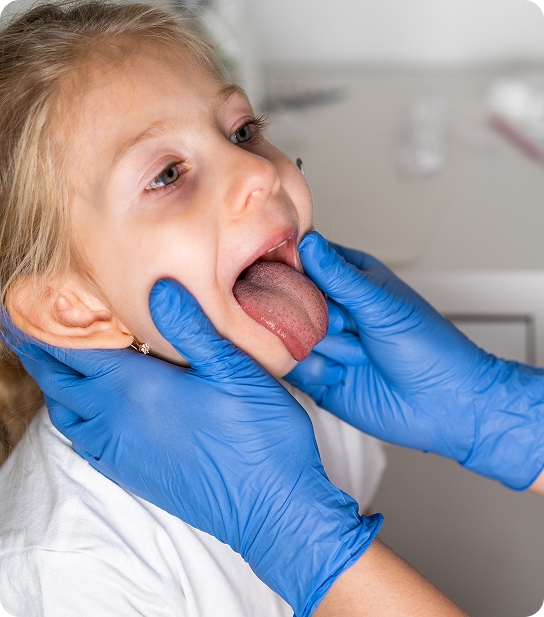
Look under your own tongue and you'll see a small band of tissue anchoring it — that's the lingual frenulum, and everyone has one. There's a matching band connecting the upper lip to the gums, the labial frenulum. Neither is a problem by itself. A “tie” is what we call it when that tissue is short, tight, or attached in a way that genuinely restricts movement — a tongue-tie (the clinical name is ankyloglossia) or a lip-tie.
The key word in all of it is function. A frenulum that looks prominent but moves freely isn't a tie worth treating, and a subtle one that pins the tongue down can matter a great deal. That's why everything at our office starts with a functional oral evaluation — how the tongue and lip actually move — rather than a glance and a verdict.

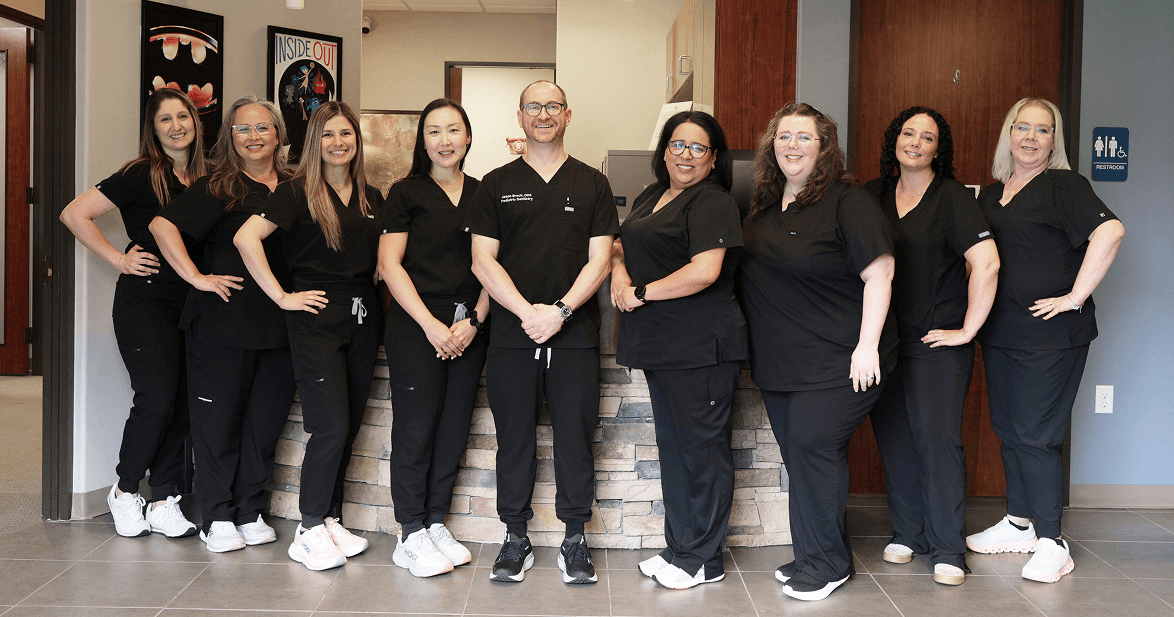
Tongue- and lip-tie evaluations and releases at our office are performed by Dr. Jason Brock, DDS — Diplomate, American Board of Pediatric Dentistry — using the LightScalpel CO₂ laser, for patients from their first days of life through their teens. You're kept informed throughout.

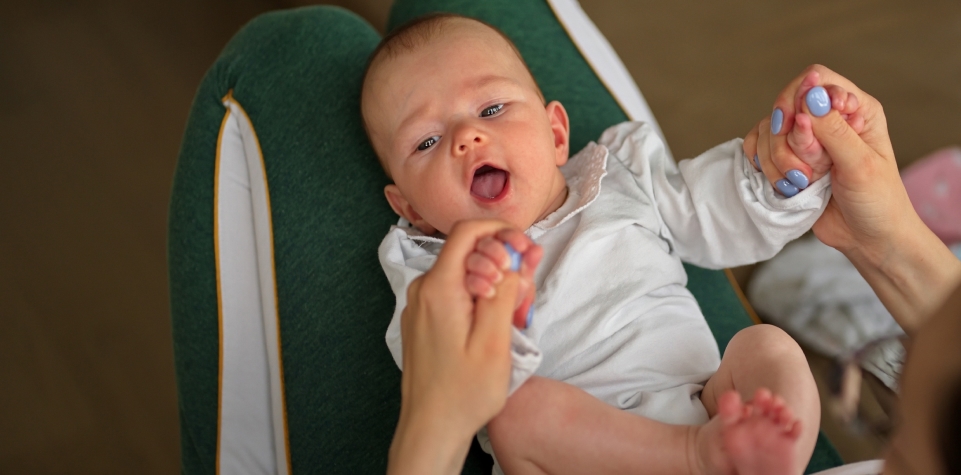
For infants, the flags usually show up at feedings: a shallow latch that keeps slipping, clicking sounds while nursing, feeds that run long and exhausting for everyone, a baby who seems hungry again almost immediately, and nursing that's genuinely painful for mom. Some families arrive after weight-gain worries; others arrive simply because something about feeding feels harder than everyone promised it would be.
Here's the honest frame for all of it: every one of those signs has more than one possible cause, and a tie is one suspect among several. A functional evaluation — how the tongue moves, how the latch works — is how you find out whether the frenulum is actually the problem. Sometimes it is. Sometimes it isn't, and we'll say so.
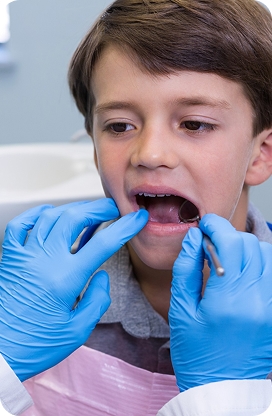
Plenty of ties go unnoticed until childhood. Older kids come to us with speech-sound frustrations, a tongue that can't lift to the roof of the mouth or sweep food off the teeth, trouble with things as ordinary as licking an ice-cream cone — and sometimes with a tie flagged during orthodontic care. Dr. Brock treats ties at every age, from newborns to teenagers in braces.
The evaluation looks the same at every age: movement first. For speech concerns in particular, the tongue is only one piece of a bigger picture, and we're upfront about where a release fits in that picture — and where speech-language professionals do work no laser can.

No — and any office that says otherwise is selling something. Plenty of frenula that look tight cause no functional trouble at all, and a tie that isn't causing problems needs exactly nothing done to it. Treatment is for ties that genuinely restrict function: a latch that doesn't work, a tongue that can't do its job, tissue that's in the way of normal life. If your child's tie isn't one of those, we'll tell you so plainly and send you home with nothing but reassurance — monitoring is a real and respectable plan. The evaluation exists to sort treat from leave-alone, and we're comfortable landing on either answer.
Here's the most honest answer in pediatric dentistry: a frenectomy removes a physical restriction — it does not, by itself, teach anything. Feeding and speech are skills built from muscles, coordination, and habit, and a tongue that's suddenly free still has to learn to use its new range. That's why this is team care, not a one-visit fix: lactation support for nursing babies, speech-language therapy where articulation is the concern, and myofunctional therapy where retraining helps — we work with myofunctional therapists in the area and will point you to the right kind of support for your child's situation. What changes after a release depends on the child, and we will never promise you a specific outcome. What we can promise is a straight evaluation, a careful release when it's warranted, and honesty about everything else.
Both approaches release ties, and both are used well by good providers — here's the fair picture, and what we use.
| Scissors / Scalpel Release | LightScalpel CO₂ Laser (what we use) |
|---|---|
| The long-established method, performed for generations | Releases tissue with a precise beam rather than a blade |
| Quick, and widely available | Typically very little bleeding, and stitches are usually unnecessary |
| May involve stitches depending on the case | The method Dr. Brock uses for every release at our office |
We're not here to trash scissors — we're here to explain our choice. Dr. Brock will walk you through exactly why the laser fits your child's case, in as much or as little detail as you want.
We're not here to trash scissors — we're here to explain our choice. Dr. Brock will walk you through exactly why the laser fits your child's case, in as much or as little detail as you want.
A frenectomy is a minor oral surgery, and even minor deserves clear eyes. So here's the full picture, before you decide. The release itself takes only minutes — the real commitment is the aftercare: gentle stretching exercises several times a day for a few weeks, because a healing mouth is enthusiastic about healing and released tissue can reattach if the site closes back down. Expect a fussy few days from an infant, or a sore-mouthed few days from an older child, and a healing patch at the site that looks alarming and isn't.
Two more honest notes. First, a release is often one piece of the plan, not the whole plan — feeding or speech work may still be part of your child's path. Second, for a tie that isn't causing functional trouble, not treating remains a fully legitimate choice, and we'll respect it. Families who walk in with all of this in view walk out glad they knew.
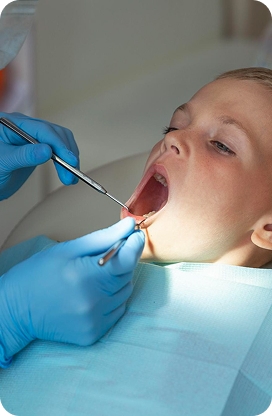

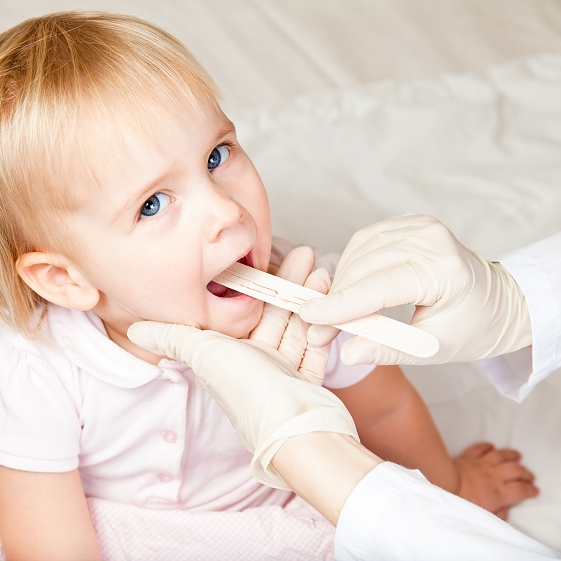
Bring us the question — newborns are welcome here, and so is every age after. A functional evaluation looks at how the tongue and lip actually move, and you'll leave with a straight answer: treat it, watch it, or keep looking, because the tie isn't the culprit. Whatever the answer is, you'll finally have one.


01
Functional Evaluation
Dr. Brock assesses how the tongue and lip move — and for infants, how feeding is actually going — because function decides everything here, not appearance.
02
The Honest Call
You get one of three answers, with the reasoning attached: release it, watch it, or bring in another kind of support first. No pressure rides on any of them.
03
The Release
When treating is right, the LightScalpel CO₂ laser releases the tie in minutes, with comfort measures matched to your child's age. You're kept informed throughout.
04
Right After
We settle your child immediately — infants can usually feed right away, which is often the calmest moment of the whole visit.
05
Aftercare and Follow-Up
Before you leave, we demonstrate the stretches, hand you written instructions, and schedule the healing check.
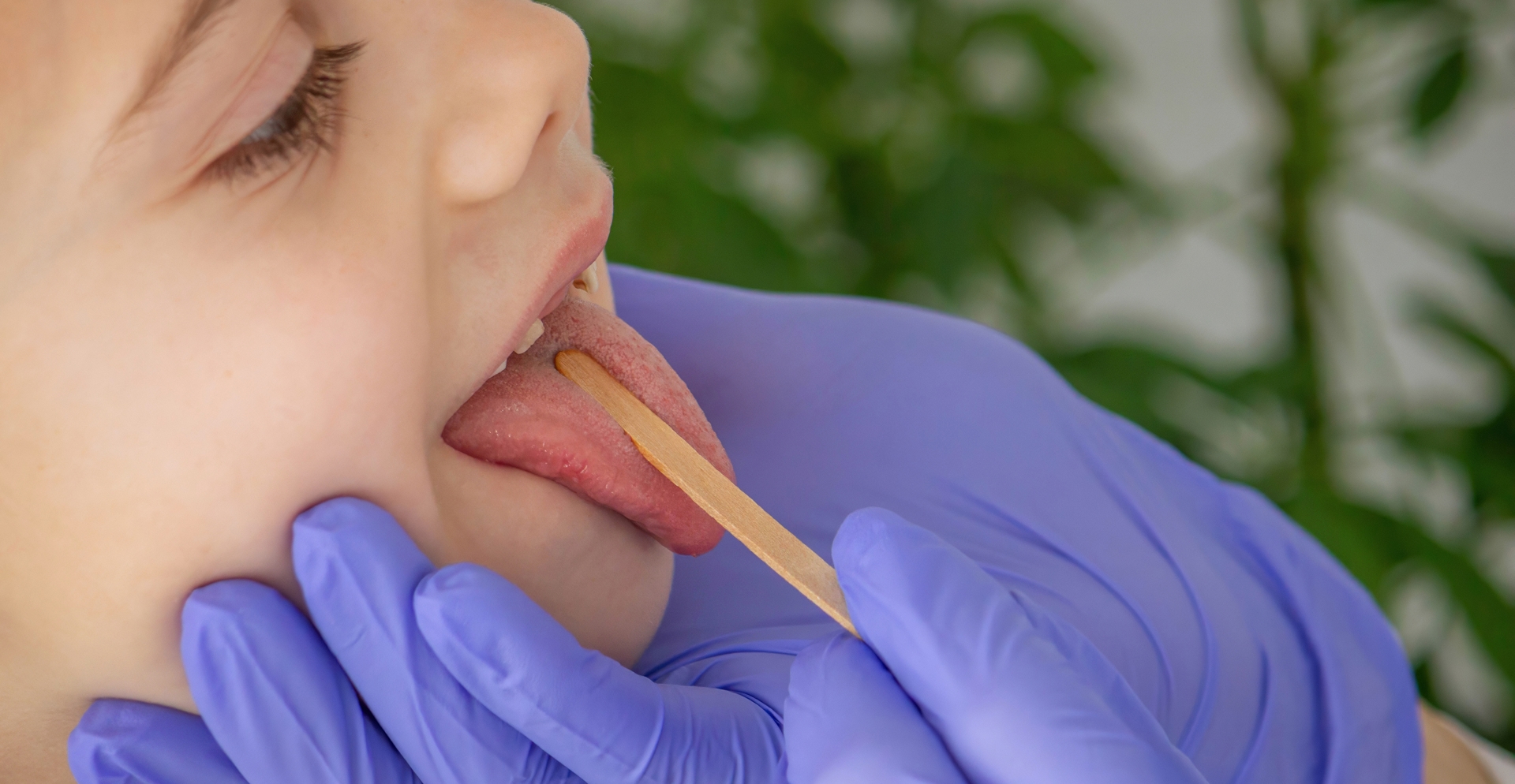
Here's the truth most websites soften: the release is the easy part, and the aftercare is where committed parents earn the result. Mouths heal fast — impressively fast — and that speed is exactly the risk, because released tissue can reattach as the site closes. The counter is simple and unglamorous: gentle stretching exercises at the site, several times a day, for the few weeks we specify. We'll demonstrate them in the chair until you're confident, and the written instructions go home with you.
Expect a few unsettled days — extra feeds and comfort for a baby, soft foods and patience for an older child — and expect the healing site to develop a white-to-yellowish patch that looks like trouble and is completely normal healing tissue. Call us for feeding refusal that doesn't settle, signs of infection, bleeding that won't stop with gentle pressure, or anything that's keeping you up beyond the ordinary. That's what the follow-up visit — and the phone — are for.

The honest variables: your child's age, whether it's a tongue-tie, a lip-tie, or both, and what the evaluation finds about the individual case. That's why the functional evaluation comes first — it turns a guess into a real estimate, and you'll have that estimate before anything is decided.
Insurance coverage for frenectomies varies more than for most procedures, plan to plan. We're in-network with many major PPO plans and verify your benefits before your visit, so you'll know where your plan stands up front. Families without insurance can look at our membership plan or the full picture on our insurance and payment page.

Pediatric Dentist • 4.9 • 211 reviews

2 days ago
Dr Brock and staff are just fabulous, honest and efficient!
2 weeks ago
Both my boys have been going to Dr. Brock for many years. He is very thorough and his staff is amazing. Definitely recommend Big Picture Dentistry.
2 weeks ago
I've been going here for years, they are incredibly friendly and informative.
Our office sits at 17150 El Camino Real, Houston, TX 77058 — on the El Camino Real corridor in the Clear Lake area, near NASA Parkway and Bay Area Boulevard. Ground-floor access means no stairs between the parking lot and the chair, which is no small thing with an infant carrier on your arm. We schedule Monday through Friday until 4:30pm.
Dr. Jason Brock treats ties the way he treats everything: evaluate honestly, treat only what needs treating, and make sure you understand every step before it happens.

The visible healing moves quickly — most sites look settled within a couple of weeks, with the first few days being the fussiest. The stretches run a little longer than the healing looks like it needs, on the schedule we give you, because keeping the site open while it heals is the whole game. Infants are typically back to normal rhythms fast; older kids are usually themselves again within days. We'll tell you exactly how long to continue stretches for your child's case.