
01
Ages 3 to 5
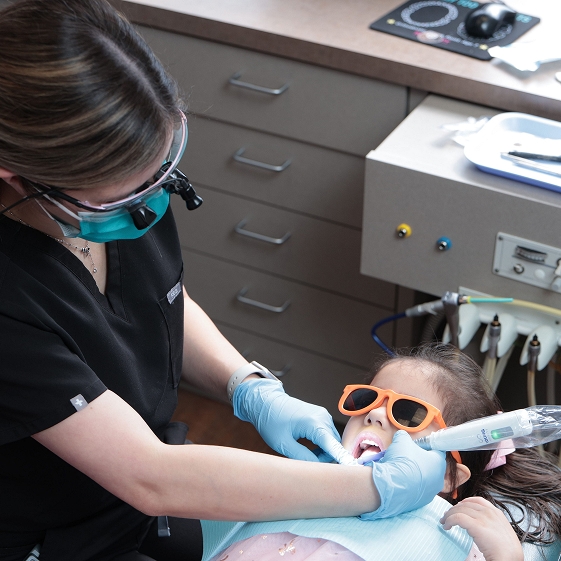
Habit foundations: full cleanings become routine, brushing gets coached, thumb and pacifier conversations happen gently, and the dentist becomes a normal part of life.
Care for the wiggly-tooth years — kindergarten through middle school.
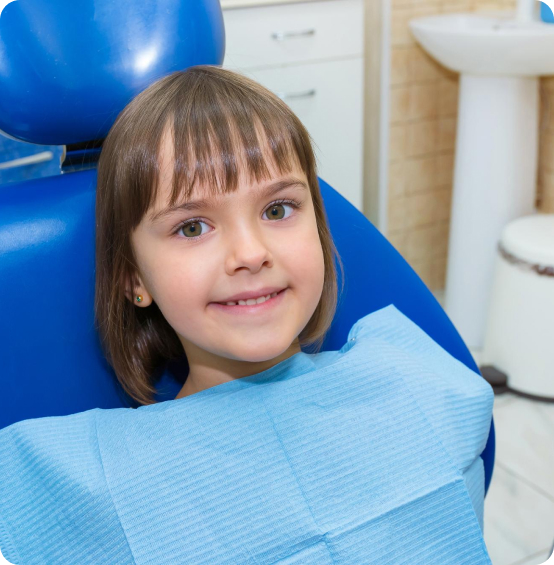
Children's dentistry covers the school-age years — roughly ages 3 through 11 — when baby teeth do their hardest work and permanent teeth start arriving. Dr. Jason Brock, a board-certified pediatric dentist (that's what a kids dentist is called), cares for children in Clear Lake through checkups, prevention, and gentle treatment.

Between kindergarten and middle school, a child's mouth is a construction zone: baby and permanent teeth sharing the same space, twenty teeth leaving on their own schedules, thirty-two showing up on theirs. These are also the cavity-prone years — new molars with deep grooves, snack-heavy routines, and brushing skills still under development. Children's dentistry manages all of it: regular checkups, cavity prevention for kids at every risk level, gentle repairs when they're needed, and a close watch on how everything is developing.
The thread that ties it together is the pediatric dental home — one familiar office that knows your child's history, tracks their development, and turns dental care from an event into a habit. Kids who grow up with easy, boring visits become teenagers who show up without a fight.

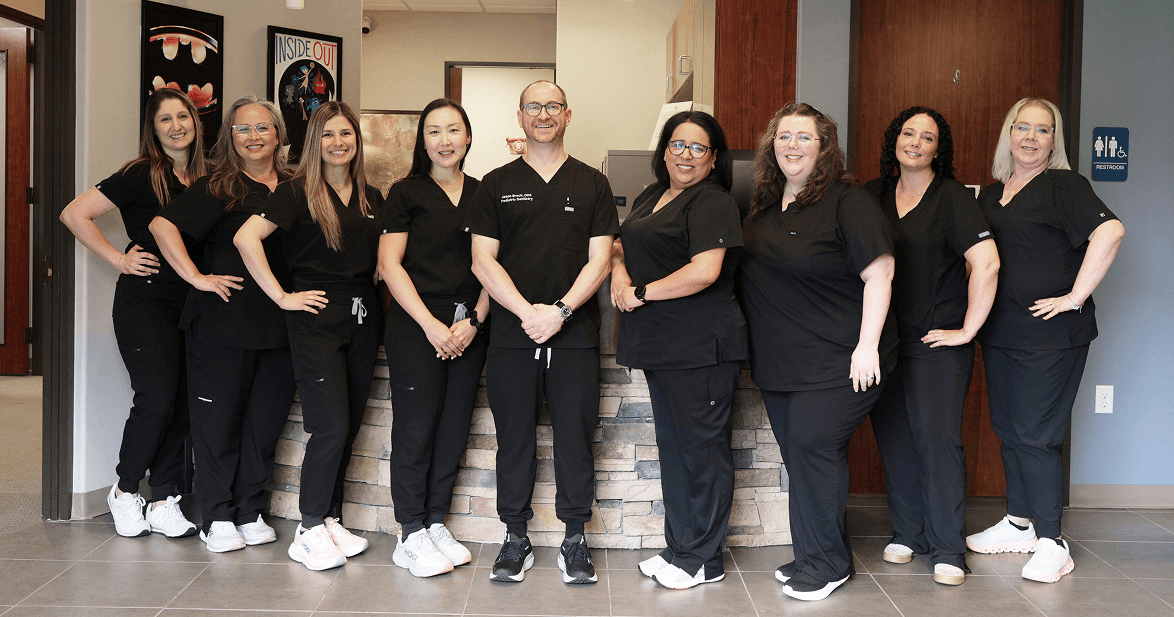
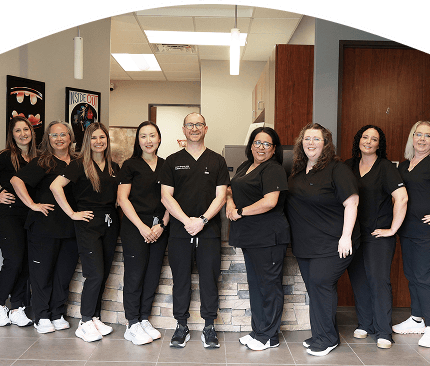
Care through the school years is led by Dr. Jason Brock, DDS — Diplomate, American Board of Pediatric Dentistry — who explains things twice at every visit: once in kid language to your child, once in plain English to you. Parents are kept informed throughout.
The rhythm of it is cleanings and exams — the twice-a-year habit that keeps everything else small. The shields are fluoride and sealants, matched to your child's cavity risk, plus silver diamine fluoride when an early cavity can be stopped without a drill.
And when the school years land a punch anyway, the repairs are here too: tooth-colored fillings, single-visit crowns, and same-day-priority emergency care for playground physics. We also keep an eye on how the bite is developing, with orthodontic screenings when it's time for a closer look.
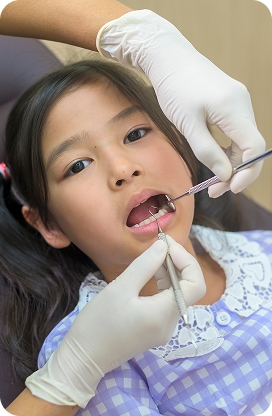
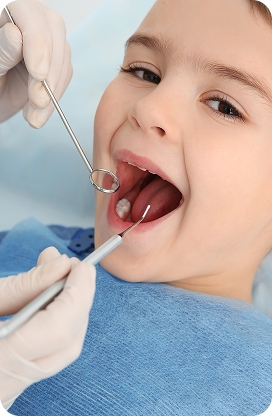

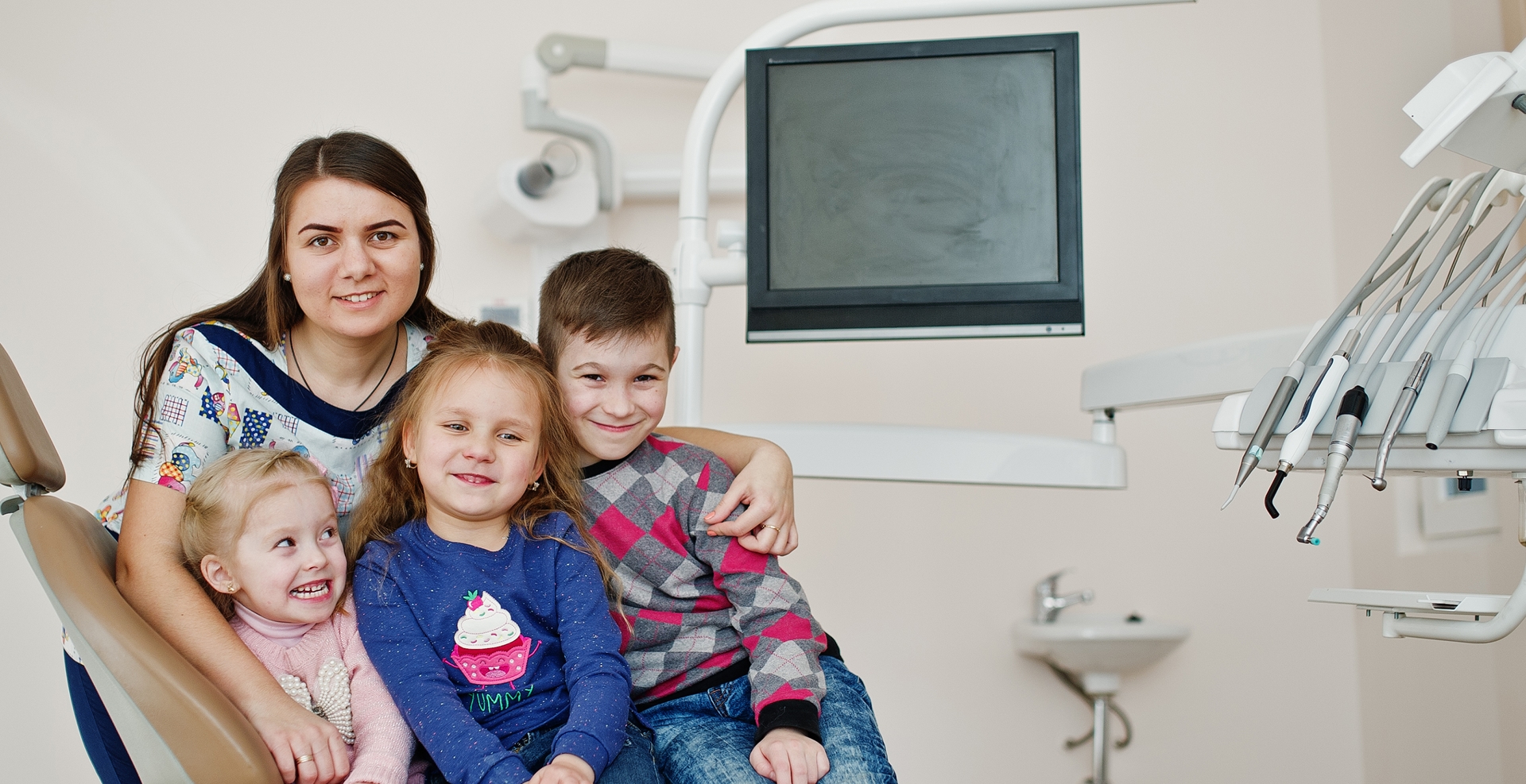
The school years are the handoff decade — from you doing the brushing, to you supervising it, to your child (eventually, genuinely) handling it. Most kids need hands-on help or close supervision until their coordination catches up around age seven or eight, and we'll tell you honestly where your child is on that curve.
We coach kids directly, in their language: why the back molars are the sneaky ones, what sports drinks actually do, why two minutes means two minutes. No lectures for them, no guilt for you — just habits built one visit at a time, with a team your child actually likes reporting back to.
Because “eventually” is doing a lot of work in that sentence — the last baby molars don't retire until around age 11 or 12, and until then, baby teeth carry the whole childhood. They chew every meal through the growing years. They shape speech as your child learns to talk clearly. They hold the space that guides permanent teeth into position — lose one too early, and the neighbors drift into the gap. They even support the developing jaw and, not least, a kid's confidence in their own smile. Baby teeth aren't practice teeth; they're the scaffolding the adult smile is built on.
Every six months is the right rhythm for most children — and the school years are when that rhythm earns its keep, because so much is changing so fast. Twice-a-year visits mean eruption problems, bite changes, and new cavities all get caught while they're small and simple. Some kids need a shorter interval — cavity history, deep grooves, braces on the horizon — and we'll tell you plainly if yours is one of them. What happens at those visits lives on our cleanings and exams page; the short version is: a lot of watching, so very little fixing.
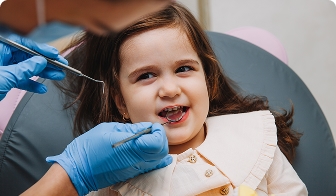
The first permanent teeth arrive quietly at the back — no baby tooth falls out to announce them — and their deep grooves make them prime sealant territory.
Preventive dentistry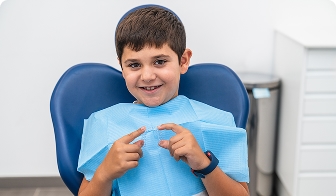
From about age 6 to 12, baby teeth exit on a rolling schedule. Most of it is normal wiggle-and-wait — we'll tell you when something isn't.
Request an Appointment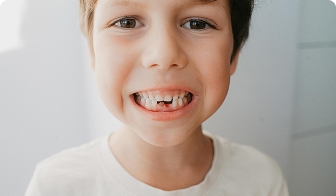
As permanent teeth land, we watch crowding, spacing, and how the bite comes together — with an orthodontic screening when it's time for a focused look.
Orthodontic Care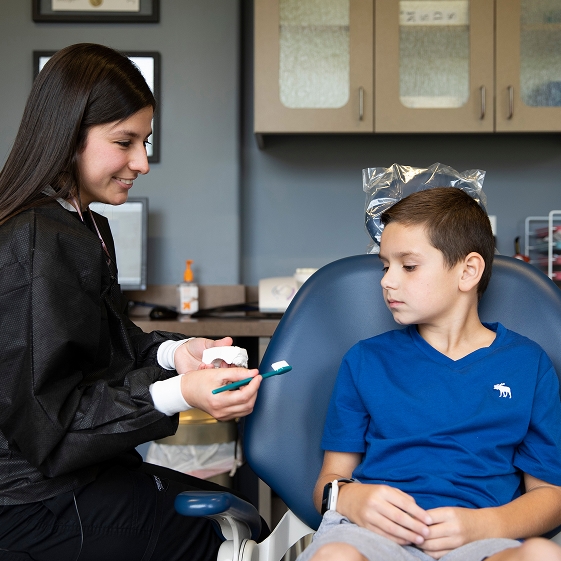
Both are welcome here, no lecture included. Just moved? Our new patient page makes records and first visits painless. Never quite gotten started? The best baseline is the one you set today — book a checkup and we'll take it from wherever your child is.
01
Ages 3 to 5
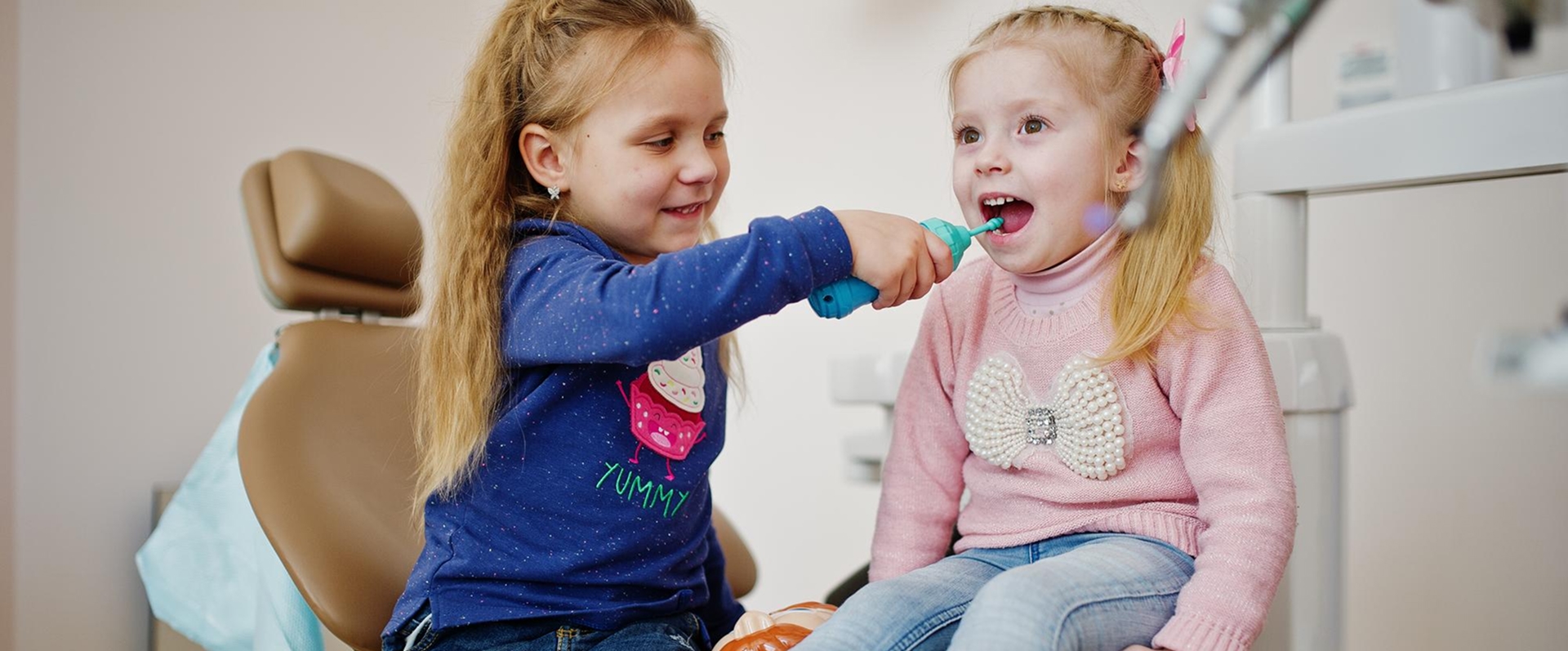
Habit foundations: full cleanings become routine, brushing gets coached, thumb and pacifier conversations happen gently, and the dentist becomes a normal part of life.
02
Ages 6 to 8
The action years: first permanent molars arrive (sealant window), front teeth start wiggling out, and the brushing handoff begins under supervision.
03
Ages 9 to 11
More permanent teeth land, bite and alignment watching intensifies, independence grows — and we quietly fact-check the brushing it produces.
04
Age 12 and Up
The baton passes to teen dentistry: same team, same dental home, new chapter — wisdom-tooth watching and nearly-grown-up smiles.

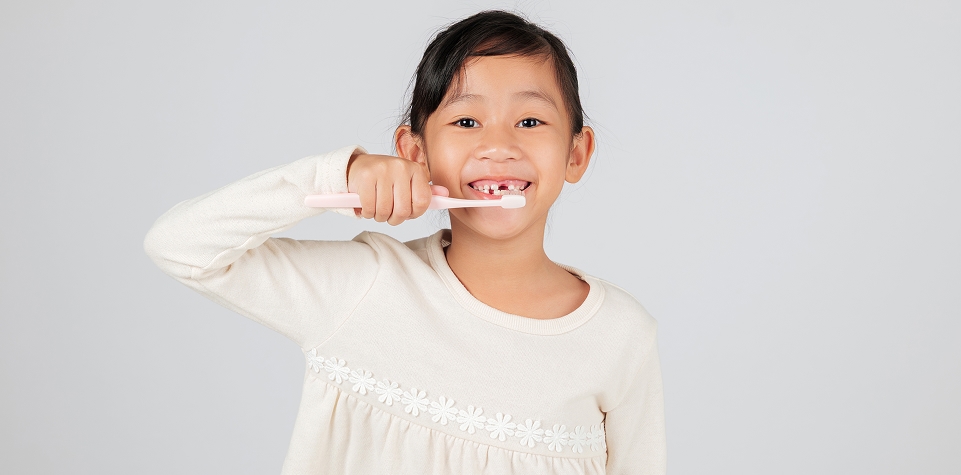
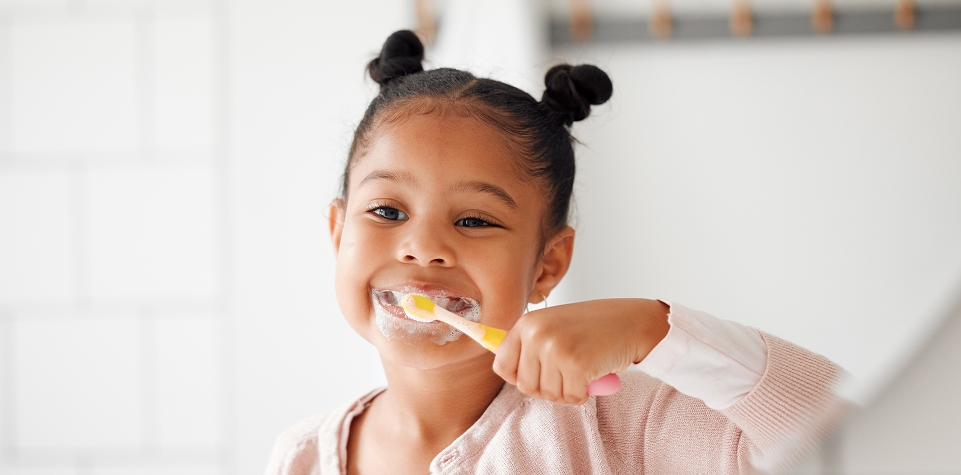
The daily wins are unglamorous and undefeated: brushing twice a day (with your supervision until the skills genuinely mature), flossing wherever teeth touch, and a water-first drink culture — juice boxes and sports drinks are the school years' quietest cavity factory. Grazing matters too: constant snacking keeps teeth under acid attack all day, so meals-and-water beats a rolling buffet. And if your child plays sports, ask us about custom mouthguards — we make them.
Call us between visits for the classics: a permanent tooth arriving behind a baby tooth that hasn't left yet (the famous "shark teeth" — alarming to see, usually harmless, worth a look), a wiggly tooth that actually hurts, or any chip, bump, or "does this look right to you?" photo. Reassurance is free and we hand it out liberally.
Most school-year visits are the predictable kind — checkups and prevention — and anything beyond that comes with an estimate before decisions get made. We're in-network with many major PPO plans and verify your benefits before your visit, so you'll know where you stand.
No dental insurance? Our membership plan and insurance and payment page lay out the options for every age.

Pediatric Dentist • 4.9 • 211 reviews

2 days ago
Dr Brock and staff are just fabulous, honest and efficient!
2 weeks ago
Both my boys have been going to Dr. Brock for many years. He is very thorough and his staff is amazing. Definitely recommend Big Picture Dentistry.
2 weeks ago
I've been going here for years, they are incredibly friendly and informative.
Our office sits at 17150 El Camino Real, Houston, TX 77058 — on the El Camino Real corridor in the Clear Lake area, near NASA Parkway and Bay Area Boulevard, with easy ground-floor access. We schedule Monday through Friday until 4:30pm, with one familiar team from kindergarten through middle school.
Dr. Jason Brock looks at the big picture of every child's well-being — and in the school years, the big picture is simple: keep visits small, keep habits growing, and keep the dentist boring in the best possible way.
Ideally by the first birthday — our infant dentistry and first visit pages cover that start. But if your child is 5, 7, or 9 and it hasn't happened yet, the honest answer is: now, and without a shred of guilt. A first checkup at any age sets a fresh baseline, handles whatever the gap left behind, and starts the habit from today. Late beats never by a mile, and we treat it that way.